
High-end raid progression is not lost because players suddenly forget mechanics. It is lost because mental endurance collapses before the encounter does. Raid Progression Stamina is the mental factor that determines whether a group can maintain execution quality across hours of attempts.
Groups with strong stamina preserve Sustained Focus, executing consistently deep into the night. Groups without it fall victim to Late-Night Fatigue Errors, where simple mistakes undo hours of successful learning.
Encounters are designed assuming peak awareness. When mental energy drops, even trivial mechanics become lethal. Managing stamina is therefore not optional—it is a core leadership responsibility.
How Mental Fatigue Degrades Performance
Mental fatigue reduces reaction speed, pattern recognition, and working memory. Players begin to tunnel, hesitate, or miss information they processed flawlessly earlier in the session.
Visual cue recognition slows first. Ground effects are noticed late, cast bars are registered too slowly, and positional awareness degrades. This is why fatigue wipes often look absurd in logs.
Late-night fatigue errors are rarely complex. They include stepping into obvious hazards, missing routine interrupts, or mistiming tank swaps. These failures are not knowledge gaps—they are stamina failures.
Why Fatigue Errors Are So Expensive
Fatigue errors are uniquely damaging because they erase progress. They occur after mechanics have already been learned, meaning wipes provide no new information.
This creates frustration and accelerates burnout. Players feel they are regressing rather than progressing, even though the underlying issue is mental exhaustion.
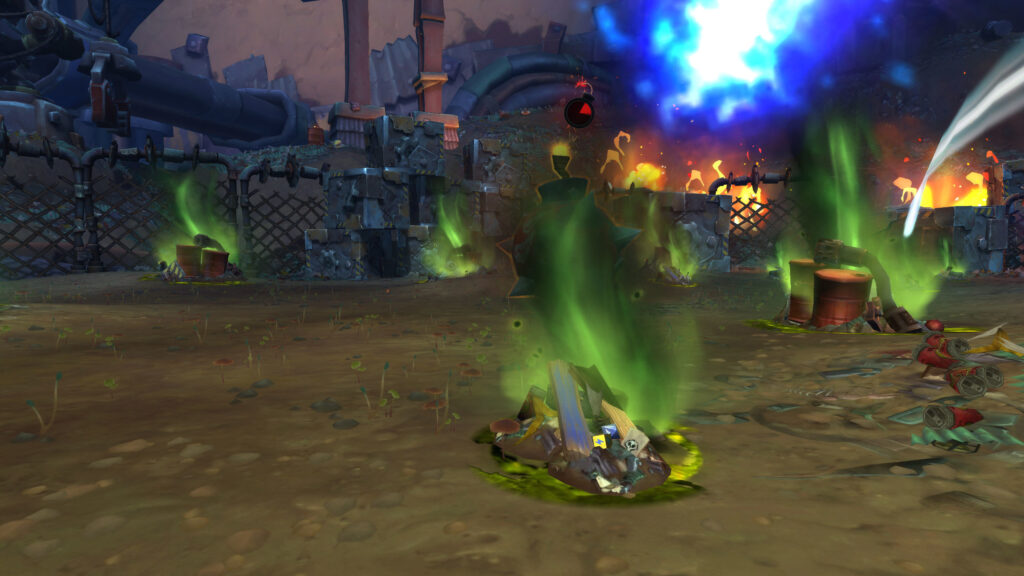
Without intervention, this spiral can waste entire raid nights while providing no meaningful learning value.
The Raid Progression Stamina Management Protocol
Mental stamina must be managed deliberately, just like cooldowns or consumables. Effective leaders treat focus as a finite resource.
- Mandatory Break Scheduling: Enforce 5–10 minute breaks every 60–90 minutes, regardless of perceived momentum.
- Error Spike Detection: Three consecutive wipes to trivial mechanics is an immediate signal to stop and reset.
- Voice and Chatter Control: Reduce unnecessary talk to lower cognitive load and preserve attention bandwidth.
These interventions prevent fatigue from silently compounding.
Common Late-Night Fatigue Errors
Fatigue manifests in predictable ways across roles:
| Error Type | Immediate Impact | Progression Cost |
|---|---|---|
| Missed positional cue | Instant player death | Battle resurrection loss or wipe |
| Forgotten utility usage | Unmitigated damage spike | Chain deaths and reset |
| Delayed cooldown usage | Desynced burst window | Failed damage or healing check |
Why Sustained Focus Wins Progression
Groups that manage stamina well do not necessarily raid longer— they raid smarter. Their pulls remain clean, feedback remains actionable, and morale stays stable.
Sustained focus allows learning to compound rather than reset. Each pull builds on the last, accelerating progression instead of stalling it.
Conclusion
Raid progression stamina is a decisive mental factor in high-difficulty content. When unmanaged, fatigue creates late-night errors that waste time, resources, and morale.
By enforcing structured breaks, monitoring error patterns, and protecting mental clarity, teams preserve sustained focus and convert long sessions into consistent progression rather than burnout.